Friday, July 18, 2008

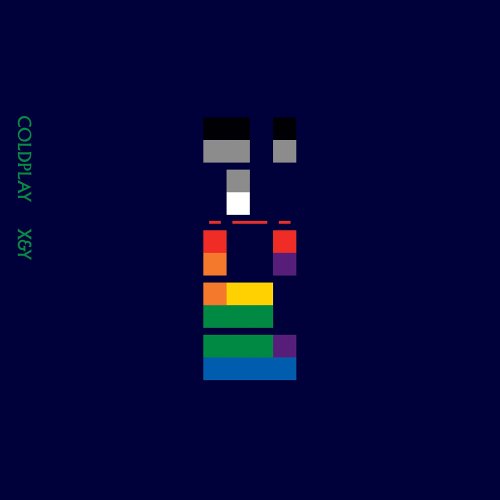
X&Y

Coldplay Photos

More from Coldplay


A Rush of Blood to the Head

Parachutes

Live 2003

Customer Review: 2nd copy
Lost my 1st...Not sure how! They just keep getting better and better in my opinion. If you like this one you HAVE to get Viva La Vida!
Customer Review: Average
6/21/08 Before you read this review check out Coldplay's latest CD "Viva la Vida". It is light years ahead of this CD "X&Y". I guess I am so addicted to Pink Floyd, Led Zeppelin, Deep Purple, and other great bands of the 70s-80s that Coldplay falls flat on it's face for me. Or, my expectations of "almost uniformly" stellar British rock bands is unrealistic. As most people do when listening to music, one finds that you do compare the new with the old. And so, in fairness to the change in technology and my own personal taste, I compared this band to my current favorite in world rock music, the astonishing rock-your-rear-off Afro Celt Sound System Band whose singer Iarla O'Liondird's vocal range is so utterly astounding. (Even Josh Groban plays AFCSS at his live concerts). After listening four times to this CD "X&Y", I still found Chris Martin's nasal, and at times, irritatingly whiney voice boring and monotonously repetitive. He is up and down his vocal range over and over on nearly every song. About midway through the CD it felt like I was listening to the same song over and over with musical variations. For me the song lyrics were mostly juvenile and often trite. Especially on the song "X&Y". HOWEVER, Their band members' musicality and instrument talent is undeniable. For this reason I can say I somewhat enjoyed the CD. Overall, if I have to pick a listen to again, maybe, these songs merit a redux: "White Shadows"; "A Message"; "Low".


It is said that the forerunner of the guitar, the lute, was created by the Greek god, Apollo. In India, it is believed that the sitar, another stringed instrument from which the guitar is descended, is sacred to the goddess Saraswati. And one of the most popular tales about the guitar is the story of how it was pressed into service to play a hymn of praise to Jesus Christ at a Christmas Eve mass when the organ of the church broke.

It's no wonder that the guitar has a history of association with the divine. The range and styles of music that can be played on the classic stringed instrument is incredible.

From the intricate fire and beauty of classical Spanish and flamenco guitar to the down-home country sounds of good finger-pickin', the guitar is a versatile and beautiful instrument.

Modern-day guitars have a hollow or solid body, a neck with frets, and a tuning mechanism that is called the machine head. They may be acoustic, or electric, and are one of the most popular instruments in the world.

Those technical descriptions, however, can't begin to express the sheer versatility of such a simple instrument.

Even in the hands of a beginner, the guitar can make lovely music - the best kind of music, the kind, in the words of a guitar teacher, that makes you want to sing along. Learning a few simple chords and finger placements, a few strumming patterns, can allow even a student who has only a few lessons to play literally dozens of popular songs.

The most important piece of the guitar is the face, or top.
Its composition, shape and engineering will determine the final sound of the guitar. The back and sides also make a difference, but not so much, and often, luthiers will choose the wood for the sides and back with an eye to appearance rather than sound quality.

Electric guitars are solid, though they are rarely made of a single solid piece of wood. Instead, most are created of many layers of different kinds of wood laminated together.

This gives the guitar both strength and sound quality that wouldn't be possible in a single piece of wood. Often, the electric guitar is made of a 'good sounding' wood like ash or poplar, with a laminated top of a more attractive wood for appearance.

Even within the broader categories of acoustic and electric there are many variations. Acoustic guitars may have six strings or twelve, the strings may be made of steel, nylon or gut. They may be arranged in pairs or singly or in triplets. Each of these has a different characteristic sound, from the wah-wah of a steel guitar, to the lush beauty of a flamenco guitar.

Nowhere else will you find the variety of guitars that you find in a typical Mexican mariachi band. A typical mariachi band will include at least three kinds of guitar - a classical guitar, a vihuela and a guitarron, a large guitar that is nearly the size of a cello.

Guitar tablatures are among the most searched for items on the internet. It's a teen rite of passage to learn at least one classic guitar riff from Jeff Beck, Stephen Tyler or Eric Clapton.

Whether you choose to learn just a few chords so that you can play for friends at parties, or find yourself so enchanted with the guitar that you take it up as a lifelong practice, there are few other instruments that will provide you with as much pleasure.

Courtney Pancost is the owner ofDAL Guitarwhich is a great resource with extensive information about guitars. For lots of info, go to:http://www.dalguitar.com

90s dance music

Rosetta Stone V3: Spanish (Latin America), Level 2

Spanish (Latin America) Level 2 teaches you to navigate through your surroundings as you build on the vocabulary and essential structure in Level 1. Learn to talk about your environment such as giving and getting directions, using transportation, telling time, dining out, enjoying basic social interactions and more.
Customer Review: a software note
This product is sold as licensed software. Users will NOT be able to load it onto more than one computer. This aspect of the product is not clear from the blurbing on the Rosetta Stone website. It is a "single-user" product. Don't think that you can share this with friends, or that it is appropriate for a lending collection.
Customer Review: Wonderful Learning Tool
I gave this as a gift to someone with a minimal background in Spanish, but a great desire to learn. He loves it. It has inspired him to keep to the instruction modules and is now peppering all of his speech with the words and phrases he's learned.


Problems with humidity can lead to heartbreak for the classical (or other) guitarist. Excessive humidity or dryness can ruin an instrument probably quicker than you think.

You must always be aware of what conditions you are leaving your instrument, whether inside a guitar case or within a room or in the open. They should NEVER be left in the sun for any length of time.

When guitars are built they are usually in an environment where the relative humidity of the room is kept constant, roughly around 50%.

To be safe you ideally should keep your instrument around this mark though they are generally regarded as safe between 40%-70% as the upper and lower margins. Below or above this can be drastic for your instrument!

An interesting example of anecdotal evidence of problems with humidity I've heard is with Ramirez guitars.

Because they're made in Spain where the humidity is often above the 50% mark and are shipped to areas where the humidity is much lower with dry winter conditions, they can easily develop cracks and slits throughout the guitar.

Having made an investment for such a beautiful guitar youd be mad not to invest in a relatively cheap system for keeping the humidity of your guitar constant, like a guitar humidifier case for example.

The damage caused by too much humidity or of drying out your instrument can range from cracks, splits and shrinkage to warping and even snapping of the wood.

There are many things you can do to prevent problems from the start. You know the old saying "an ounce of prevention is worth a pound of cure."

I would recommend keeping your house, or wherever you keep your instrument, at a constant temperature and humidity all year round.

Next I would get a humidifier for my guitar case, whether one sold commercially which releases moisture slowly and attaches to the inside of your case, or a home-made one which could consist of a wet cloth (be careful not to let it touch your instrument as it may damage the wood).

Another thing to invest in is a "hygrometer", which is an instrument that will keep track of humidity, or lack of it in your guitar case. As mentioned above, some guitar cases are made with these things as standard.

If you follow these few simple rules and keep an eye out for changes in temperature and humidity conditions it shouldn't be hard to keep your instrument in good order.

Trevor Maurice is an Australian, living in beautiful seaside Maroubra, in the eastern suburbs of Sydney.

He's been involved in playing guitar (mainly classical) for longer than he cares to remember and has also taught the instrument for many years. He is teacher trained, having a Diploma of Education (Majoring in music)

He has also taught Primary (Elementary) school for many years and had a long-held dream to build a quality website for the classical guitar that is of use to anyone even slightly interested in this beautiful instrument. He has now made that dream a reality with the highly rated...

http://www.learnclassicalguitar.com/index.html

ballroom dance music

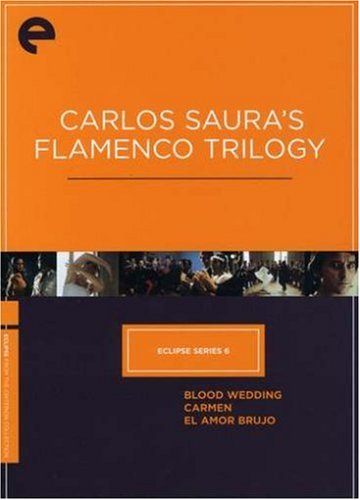
Eclipse Series 6 - Carlos Saura's Flamenco Trilogy (Blood Wedding / Carmen / El Amor Brujo) (Criterion Collection)

One of Spanish cinema's great auteurs, Carlos Saura brought international audiences closer to the art of his country's dance than any other filmmaker, before or since. In his Flamenco Trilogy-Blood Wedding, Carmen, and El amor brujo-Saura merged his passion for music with his ongoing exploration of Spanish national identity. All starring and choreographed by legendary dancer Antonio Gades, the films feature thrilling physicality and electrifying cinematography and editing-colorful paeans to bodies in motion as well as to the cinema that so eloquently, and artfully, captured them.
Customer Review: Fantastico!
If you want a sweet taste of flamenco - this is a perfect set. Starting w/Blood Wedding - progressing to Carmen - and finishing w/El Amor Brujo. Fantastico!
Customer Review: Brilliance
My love of flamenco music was born when I heard Carlos Montaya playing when I was about 25 years old. I am now 73 years old and when I hear flamenco it is through my heart not my ears, I watched this dvd Eclipse Series 6 Carlos Saura's Flamenco on my 107 " plasm tv, it was breathtaking, such brilliance and beauty, watching it over and over again it moves me every time.


Learning how to play the keyboard has several advantages over learning how to play the piano. Although you might think learning one is as simple as the other, the keyboard as an instrument is superior in many ways.

With a piano, you only have one type of instrument that you can play...the piano itself. Electronic keyboards allow you to mimic the sounds of dozens of different instruments. Some more expensive models can mimic the sounds of hundreds of instruments and allow your to lay tracks...right on the keyboard!

When you learn how to play the keyboard, you are learning all of those instruments without having to take additional lessons. Sounds can include:

Many types of pianos (grand piano, electronic, etc.)

Percussion instruments

Organs of all kinds (even harmonica!)

Stringed instruments (violin, viola, cello, contrabass)

Brass instruments (trumpet, tuba, trombone)

All of the Woodwinds (clarinet, flute, saxophone)

Sitar

Banjo

Bag Pipe

The piano sounds that come from a keyboard can include grand piano, electric piano, honky-tonk and many, many more! There may even be special effects available like bird noises, telephone rings and other novelty sounds.

When you learn how to play the keyboard, you'll also get to choose from a variety of background sounds that can accompany your main melody. You can normally choose from one of the following:

Pop

Dance

Rock

Jazz

Latin

Hip-hop

More advanced keyboard models may have more choices.

Learning play the keyboard is perfect for beginning music students. There are keyboard models that will show you each note that needs to be played next. It is an easy method of learning that guides students into a better understanding of music.

Playing with a keyboard is also more portable than playing a piano. A keyboard, if it is small enough, can go anywhere with you. This makes it easy to practice in different environments. Keyboards are easy to find. While pianos can cost thousands of dollars, you can find a keyboard for as low as in the classified ads.

There are more complex keyboards that cost much, much more. But for a small investment you can decide if playing the keyboard is really right for you. In the future, you can upgrade your keyboard choice to a more featured model.

Learning play the keyboard is one of the easiest and most fun ways to get into music. There are plenty of songs available for the keyboard, and with practice there is no limit to what you can play! You can experiment a lot with the keyboard; and even create your own one-man band, complete with drums, piano, horns, string instruments and possibly even your own voice. Who knows? You may even produce a demo that you could send to a music executive. The possibilities can be endless!

Claim your free PianoLessons eBook! Get ready to add a new dimensionto your life. Everything you need to learn piano is right here. And new articles are added each week, so keep coming back for all the free tips, lessons and and helpful advice you can handle!

latin download

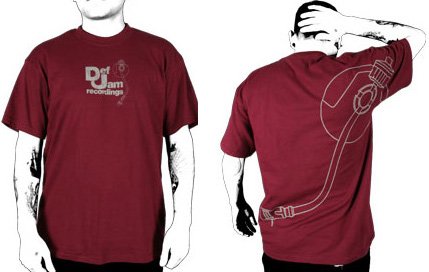
Def Jam Recordings - TONE ARM T-shirt , Maroon

Def Jam was founded by Russell Simmons and Rick Rubin in Rubin's dorm room at New York University. The first releases on Def Jam Recordings were LL Cool J's I Need A Beat and the Beastie Boys' Rock Hard, both in 1984. The singles sold well, eventually lea


Ever so often a cultural force grabs America by the neck and does not let go. The chicken noodle soup dance and song could be the next silent assassin in the night, waiting to take the spot. As its popularity grows, chicken noodle soup could become the next big thing on Americas pop culture landscape.

You may ask what the chicken noodle soup dance is ? The chicken noodle soup dance originated in Harlem, New York and started out as a street dance done by young urbanites. An accompanying song was released and this birthed the dance craze for 2006. The song by Webstar and Young B has placed more attention on the dance as it catchy lyrics and simplified chorus has infected the radio airwaves of America.

The chicken noodle soup dance can be done in many different ways as each dancer adds their own personal flair to it. The basic steps in the dance begin with dancers following the initial lyrics from the accompanying song. Let it rain and clear it out When this is said dancers bring their hands down like the rain is falling, then they clear out whoever is beside them by doing a sweeping action with their hands. This is done three times before Webstar sings Chicken noodle soup. At this point the chicken noodle soup dance begins. This is the side to side movements of the legs followed by the flailing of the arms to match the corresponding feet movement. As mentioned before, personal style is incorporated a lot into the dance. You have people who spin, jump and create sheer havoc with this dance.

The chicken noodle soup however has it detractors. There are many people in the black community who feel that the chicken noodle soup dance is nothing more than the 2006 version of shucking and jiving. They feel as if this dance is a step backward.

The Chicken noodle soup might possibly infiltrate American popular for 2007. The suburbs has slowly caught on and as the song gets bigger and bigger, it can be guaranteed that soccer moms and wall street executives will be chicken noodle souping at their various parties and social events.

James Dalton an author on various topics related to the chicken noodle soup dance. You can get the latest information about Chicken Noodle Soup at http://thechickennoodlesoup.blogspot.com

90s dance music

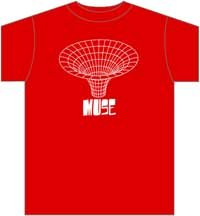
MUSE - Drawn In - Red T-shirt

Brand New, never worn 100% cotton front print Authentic MUSE T-shirt.


Lily Tomlin once said, "For fast-acting relief, try slowing down." It can be challenging to do that, however, once you get into overdrive. Joy Breaks may be your answer. One to ten-minute Joy Breaks can renew you throughout the day. When you let yourself have a few moments of enjoyment, your mood liftsand your productivity and effectiveness can increase dramatically.

Business guru Tom Peters maintains, "The number one premise of business is that it need not be dull. It ought to be fun. If it's not fun, you're wasting your life." Make sure you're not wasting that non-renewable resource known as time. Life is short. On your deathbed, you won't remember all the things you accomplished on your TO DO list; you'll mainly remember the precious moments of enjoyment.

"Children have more energy after a hard day of play than they do after a good night's sleep," says Dr. R. F. Gumperson, a probability expert. Anything that is fun, playful, or that stimulates the creative mind is a good place to start. If you can learn to switch back and forth between work and play throughout the day, you may find you leave the office with a bounce in your step.

Gain the support of those around you by letting them know what you need, and where possible, include them. Instead of reaching for another coffee or a chocolate bar, consider some of these healthy alternatives for uplifting your spirit, relaxing your mind, and energizing your body.

1. Flowers

Go outside with a pair of clippers. Clip a few flowers. Put them in a vase, and place them in your work area.

2. Music

Play Baroque music to open up your creativity and soothe your mind. I suggest Vivaldi's Four Seasons (especially Summer). Use a headset if you don't want to disturb others nearby.

3. Mini-Golf

Many people love golf in the Summer, but don't have the time to get to the course. Take a few golf clubs and golf balls to each department. Have each department create a golf-holeuse whatever you can find: paper cup, trash can, etc. When you need to go to another department for a meeting or to get some information, you simply "golf" your way there. You can keep track of your score. Those who get a hole-in-one get a special prize.

4. Whoops Alert

We all make mistakes at work. If you are afraid of making a mistake, you may stop taking risks. Humour can help create an environment where mistakes are seen as opportunities to learn. Go to a novelty store to purchase some kazoos. Assign three co-workers a Whoops Kazoo. In the event of a severe stress, frustration, aggravation, annoyance, or glitcha person may call out WHOOPS! -- at which point the Kazoo Committee sounds the Whoops Alert. The Whoops Alert should only last less than a minutethen back to work.

5. Fun Scrapbook

Take to work a blank scrapbook. Set up a place for it in the staff room or waiting area. Provide glue, scissors, and tape. As a Joy Break, any employee can take a few minutes to add something to the Fun Scrapbooka cartoon, favourite email joke, photos from a staff event, humorous ideas for dealing with challenging work situations, best "mistake" story, etc.

6. Tropical Retreat

Take a reclining lawn chair and sun umbrella to work. Put them up on the roof or in a sunny area near the office. Leave a pair of sunglasses and a travel magazine on the chair. Offer co-workers a fruit punch in a glass garnished with a little umbrella. Send on ten-minute tropical breaks with their refreshing punch. Rotate co-workers throughout the day.

7. Gratitude Walk

Go for a ten-minute walk. Observe five things you are grateful for or appreciate. They could be cloud formations, sunshine, the sound of children playing, the comfortable shoes you are wearing, etc.

8. Street Dance

Take a portable stereo out to the parking lot; invite everyone from the office to partake in a ten-minute dance break. Put on the Greatest Hits of the '70's, or swing music.

9. Vacation Planning

As we head into summer, you can take ten-minute breaks to plan your time off. Peruse travel books, make hotel reservations, write a note to relatives telling how you'd like to spend time with them, etc.

10. Popsicles

Take a popsicle mold to the office. Pour in your favourite juice. Put the pops in the freezer and during the mid-afternoon slump offer homemade popsicles to everyone in the office.

Use some of these activities, or make up your own. Create a list of ten things you can go do when your energy slumps, and put that list in a place where you will see it. Every time you do a Joy Break, check that activity off the list. Some people go so far as to give themselves a gold star. Positive reinforcement can help make joy a regular occurrence, and help you kick the worry habit. In the words of Oscar Wilde, "Life is too important to be taken seriously."

May the FUN be with you!

Carla Rieger is an expert on creative people skills at work. If you want a motivational speaker, trainer, or leadership coach to help you stay on the creative edge, contact Carla Rieger.

Web site: http://www.carlarieger.com
Tel: 1-866-294-2988
Email carla@carlarieger.com

latin music festival

Sweatshirt Black " Latin Rap Equalizer " Music

This is a great sweatshirt. Great gift. All TopExpressions products are made under strict quality controls. 100% cotton, weight aprox 25oz.


Now your Barbie and Ken dolls can perform and compete with pride as they showcase hand made ballroom dance costumes designed especially for them. Barbie can glide with style in her gorgeous gowns and feather boas while she dances the foxtrot or waltz with her handsome partner, Ken. He can be dressed in a coordinating costume made to knock the socks off any panel of judges. Or, you can design Latin costumes with red roses and black flashy fabrics chosen to strike a fire, burn up the dance floor, and intimidate the other competitors as Barbie and Ken execute advanced tango, rumba or mambo routines.
And, dont forget the fun you can have with fringe and other embellishments as you design jive and swing dance costumes to highlight their tricky steps.

The possibilities are endless! Being able to design and sew your own ballroom dance costumes for Barbie and Ken will allow you to create anything you want, and here are some tips on how to do it:

1. Start with standard Barbie and Ken doll clothes patterns. You can purchase these in most fabric stores and on internet craft sites. Watch for pattern sales, and you might save some money. You probably wont find actual ballroom dance doll patterns, but you can select some suitable for dresses, suits, or anything that you think will work with your costume ideas.

2. Decide on the style or theme of your costume. For example, when I decided to create a tango costume, I knew that I wanted Ken to have pants with a long sleeve shirt and a coordinating sash. As for Barbie, I wanted her to have a long dress with ruffles on the sleeves. Knowing a few specifics like these before you begin will help speed up the creative process and allow you to use your time more efficiently.

3. Think about the quality or type of fabrics, as well as the color. For the tango costume, I picked red and black fabrics in a variety of textures. Velour, nylon, and lycra are all great choices because they sew up easily, and they dont shred on the edges like many other fabrics. In addition, they have excellent stretch factors. Costumes made with these materials are flexible and fit the dolls well.

4. Be prepared to modify your patterns. It will be most convenient if you can find a pattern that matches the style you have in mind. But for me, that rarely happens and I usually adjust the pattern to get what I am looking for. To do this, I purchase inexpensive muslin and experiment until I get the fit just right. Then I use paper to draw the final pattern so that I can use it again in the future.

5. Have fun with embellishments! How often do you get to use sequins, glamorous trims, colorful fringe, fluffy feathers, or bright, flashy fabrics that glow in the dark? Let imagination be your guide, and have fun as you make your selections.

6. Remember that there is no right or wrong way to create your own Barbie and Ken ballroom costumes as long as you are happy with the final product. Your unique designs will be the envy of many doll and dance enthusiasts. Dont be afraid to experiment with colors and textures. Sometimes accidents happen along the way, and the unexpected style may actually be better than the original one. Good luck, enjoy, and let the dance begin!

Fran Matthews is a mom who enjoys crafts and cooking. For photos of this project, see http://www.bestdesignercrafts.com

latin music artists

Joseph Arthur Live At the Gypsy Tea Room

Recorded on tour in support of the brilliant studio recording, Come To Where I'm From, Live At The Gypsy Tea Room presents a sonic glimpse of the amazing multi-layered richness of a Joseph Arthur solo performance.Ten-minute versions of "Big City Secrets" and "Prison" show Arthur building, via tape loops recorded on the spot, a continuous musical bed of processed beats, guitar and vocals, over which he can play and sing the melodies of his darkly introspective songs. The sparse arrangements, however, of "Exhausted" and "In The Sun" performed here with only raw voice and guitar prove that the power of Arthur's performance does not rely on technology alone, but is founded on penetrating lyrics sung with wracked emotional intensity.Contents: 1) History 2) Big City Secrets 3) Exhausted 4) Invisible Hands 5) I Donated Myself To The Mexican Army 6) In The Scan 7) Prison


Yogafit founder Beth Shaw has compiled an exquisite set of intoxicating grooves featuring female vocalists. Created to enhance the experience of yoga, dance or late-night listening with your sweetie, Angels Voices is sure to click in your pulse as a relaxes your mind. Award-winning DJs the Gordon Brothers mixed this entrancing selection of tracks to maximize the mystical union of body, mind, heart and spirit. Juicy world beat rhythms drive magical melodies and lay the foundation for showcasing the deliciously sensual vocals of electronic stars such as Suzanne Sterling, Sophia, Darshini, Irina Mikhailova and Helene Horlyck.

While I've reviewed a number of the CDs this music comes from, compilations such as Angels Voices are always a great way to introduce people to music that they might not otherwise know about. Helene Horlyck, for example, is featured on Achillea: The Nine Worlds. Achillea is Enigma co-founder Gens Gad, so if you love to groove with Enigma (I'm a huge fan) you're sure to love tracks such as "Cape Porcupine," "Odin's Hill" or "Staraja Ladoga." Keyboards, outrageous guitar licks and loads of seductive percussion make these tracks, and everything on Angels Voices, a delight for the senses.

I would also like to point out the group Hands Upon Black Earth. Though they have yet to release a solo album, the succulent grooves and enchanting vocals of Irina Mikhailova on "Aroha Eternal" and Suzanne Sterling on "The Star and the Snake" are hopeful signs of more to come from this mysterious, inventive collective.

An excellent choice for active movement, including Sweat Your Prayers and other forms of sacred dance, Angels Voices is sure to quicken the pulse and awakened the kundalini life force. It's also a superb introduction to the Sequoia Groove releases on Sequoia Records, all of which I highly recommend.

Steve Ryals has been writing music reviews since 1994, and to date has published more than 1200. Steve specializes in World Beat, Native American, New Age, Meditation, Contemporary Instrumental, Chanting, Devotional Singing, and more. He currently writes two music reviews every month as part of his Drunk with Wonder Newsletter. To sign up for his FREE newsletter go to http://www.drunkwithwonder.com

dance music charts

Sonic Foundry Acid 2.0 Latin


Belly Dancing is a fun and unique pastime. It offers an excellent low-impact workout, a form of artistic expression, the opportunity to make friends and become part of a community of women, and a boost to your self-esteem. Whatever your reasons for seeking Belly Dancing lessons, you will want to consider a number of factors when looking for a local class.

Belly Dancing Styles

Belly Dancing encompasses a number of styles and if you are in an area with many classes you may have the choice of the style you learn. Elements of these styles will be the same but there can also be significant differences from the movements to costumes and music.

Take some time to learn about the different styles of Belly Dance, as one will most likely capture your imagination more than another. For example, you may be drawn to the earthy, traditional Baladi, or prefer the grace of modern Raqs Sharqi. You may fall in love with the floorwork and more revealing costumes of Turkish Cabaret or the opportunity for individual expression in American Tribal Style (ATS).

How to Find a Local Class

Local instructors will advertise their classes in one or more ways. Check the advertising boards of your local leisure and community centers, look for adult education brochures, search on Google and Craigslist, and ask friends or acquaintances if they know of anywhere you can learn. Remember to look for more than just belly dancing: classes may be listed as Middle Eastern Dance, Egyptian Dance, Turkish Dance, American Tribal (ATS), American Fusion, Oriental Dance or Raqs Sharqi.

If you have a local Turkish or Arabic restaurant they will probably have a belly dancer performing on certain nights of the week. Ask if the dancer gives lessons or knows of a good instructor in the area. Belly Dancers and troupes often perform at Rennaissance faires, cultural events and local festivals - perhaps that's where you saw dancers that made you want to take classes - so again ask if any of them teach or can recommend an instructor.

If No Teacher is Available in Your Area

Unfortunately, even with Belly Dancing growing in popularity around the world, there are still areas where classes are not available. While there is no substitute for a lesson with a teacher who can correct you when you make mistakes, or for the community of learning with other women, if you are unable to find a class there are many good instructional dvds available, and even free belly dancing lessons available online at various video sites such as YouTube and Expert Village.

How to Choose a Teacher

If you are lucky enough to be in an area where there are many Belly Dancing classes, how do you decide where to learn?

Initially, it may be a practical choice. What are the class times and locations. Which is most convenient for you to attend?

Find out more about the different styles of Belly Dancing and decide which you would most like to try. You might be drawn by the history, the moves and/or the costumes. If one style stands out for you, then go to that class.

Ask for recommendations from friends or acquaintances, or speak to current students. Ask about the content of the classes and the teacher.

Take a trial class. Most teachers will allow you to take a trial class to see whether you enjoy it or not. Even if they charge by the term, few will object to you taking one class before you pay the fees for the whole ten weeks. Some may even offer taster classes to help you make the decision before committing.

The most important elements of attending Belly Dancing lessons are that you feel comfortable and enjoy yourself. If you are not happy with a class then it may be time to move to a different instructor. Once you find a class you feel relaxed in there will be no stopping you. Enjoy!

As soon as you start your Belly Dancing lessons you will be addicted and will probably choose to take even more belly dancing classes as well as workshops. You will also want to know more about Belly Dancing styles, history, costumes and more...

90s dance music

FRANZ FERDINAND - So Much - Black T-shirt

Brand New, never worn, front and back Black Authentic FRANZ FERDINAND T-shirt.


Dish Network, in their steadfast pursuit of the best in audio
programming services, is pleased to offer their subscriber
base the ultimate in content and sound provided by Sirius
Satellite Radio services.

Based in New York and operational since 1999, Sirius Satellite
Radio is a service provider who provides 68 streams of music
and 55 streams of sports, news, and entertainment to both
the United States and Canada C 24 hours a day, commercial-
free. When a song is broadcast, the user can view the name
of the artist and song info while listening. Programming
streams are relayed to one of three satellites orbiting above
North America. They are received and digitally transmitted
back to earth where a receiver intercepts one of the channels
within the signal. Reception is great as signals beamed to
ground repeaters may be received in congested urban areas
without interruption. No matter where you are located, reception is great. Satellite radio music and commentary is
delivered digitally and are of a higher quality than standard
radio signals and special receivers are necessary to decode
signals. The Federal Communications Commission does not
regulate satellite providers. This service is not free and those
who desire it may subscribe directly to Sirius Satellite Radio.
Music channels include Pop, Hip-Hop, R&B/Urban, Classical,
Rock, and Country, and much more. Sports streams include
NBA, NFL, and NHL exclusives plus ESPN sports. Excellent talk
programming by Howard Stern, Martha Stewart, and others is
featured in addition to news channels, childrens programming
(Radio Disney), and much more. Traffic and weather programs
are featured and partnered with automobile companies and
airlines that offer promotions to subscribers. Technical support
and service are available 24 hours a day, and service and
support availability is a valuable commodity in this day and
time.

Sirius Satellite Radio provides a subset of streams (channels)
of music to Dish Network satellite television as a part of their
services to more than 12 million subscribers in the United
States. Dish Network provided in-flight satellite audio services
to an airline company in the U.S., and it was well received. In
2004, selected music channels were added to Dish Networks
music lineup. Sirius channels are identified on Dish Networks
lineup as XS (XS20, XS109). Millions of satisfied Dish
Network customers sing the praises of Sirius programming
with consumers being given the option of choosing
programming C wherever and whenever they desire. Sirius
offers more than 60 channels of round the clock music
selections, and includes Country, Hip-Hop, R&B/Urban,
Dance/Electronic, Jazz, Classical, Rock, and Pop. Sirius music is
included in their offer of programming packages and is
delivered in excellent CD quality or Dolby Surround sound.

Dish Network's offer of free equipment and professional
installation is an attractive bonus that is in addition to their
provision of the best audio and video programming available
to date.

Keith Osik writes articles for consumers who want to find the best Dish Network Offers currently offered. He has written for major publications about satellite television and how buyers can find the best special deals.

dj latin music

Rock With "Coldplay"


Play piano by numbers: an historical overview:
The idea of playing piano by numbers has been around for a long time. In fact, numbering the keys is just an extension of numbering the fingers, which was first done by Carl Czerny early in the 19th Century.

In the 1950's, there was the Emenee organ, a keyboard which had numbers printed on the keys, and a book of songs "by number" to go with it. There were even "play by color" products. The concept was always to find a quick way to get people started playing the keyboard.The reason for this is that reading conventional sheet music is not easy, not for adults, and certainly not for children. Why should starting piano be "easy?" Talk to most conventional teachers and they'll say that music is serious and difficult, and piano cannot be made easy for beginners. The truth is that piano students have historically had an 80+% quit rate. 8 out of 10 quit within the first year! Why? The teachers blame the kids, but perhaps the teachers are to blame.

Do you know any method for anything that has an 80% failure rate and calls itself a success? A golf swing? A sewing pattern? A diet regime? It's supposed to work!

Here are a few figures from my private teaching practice: 90 out of 100 children who start piano by numbers are still playing a year later, almost all having made the transition to conventional sheet music. And almost all of those continue, year after year, because they are allowed to learn at their own pace, and started having fun with the piano right away.

Who cares if a child who would normally have quit piano is happily playing songs by number and a few pieces of sheet music a year later? The choice is to have that child quit music altogether.

If a piano method does not work, the method is wrong, it's as simple as that. The professionals tell you otherwise, but common sense tells you this is true: if a piano method does not work, the method is wrong,
But why use numbers to teach beginning piano? What is there about conventional music notation (sheet music) that so confuses almost everyone, and specifically children? The answer is that numbers are understood by everyone. Numbers are essentially one-dimensional, whereas conventional sheet music incorporates concepts from many dimensions to convey the information necessary to play, say, Jingle Bells.

Conventional sheet music and conventional music teachers demand that a child comprehend at least four things in order to "succeed." Find the correct piano keys to play (a big task for a child)
Be able to use the correct names for these piano keys (hard to remember)
Use the correct fingers to play those keys (even harder, especially at first)
Play those piano keys at exactly the correct point in time (add this to the above three)

These four elements are overwhelming to all but the most musically gifted children. Is music only for the musically gifted, or should everyone be able to play piano at their own ability? Kids are often devastated by failure at this ridiculous, conventional system. No wonder they quit.

I'm not saying that the above four elements aren't necessary, I'm saying that almost all children don't respond to this conventional system as a starting point.

We need a better starting point for children and the piano.

Playing piano "by numbers" requires only one thing: play the correct piano key as best you can. Believe me, after watching thousands of kids, this is hard enough to do well. It's a great place to start for everyone. Just press the numbered keys so that it sounds like the song you know.
Music isn't just for musicians and teachers and stars and artists and record companies, it's also for children, an essential part of childhood.

But why "piano by numbers?

The basis of musical construction is mathematical. No one asks kids to start math class in the first grade solving algebraic formula. We let them start adding and subtracting for YEARS until we ask more. Piano by numbers gives children the same "gentle start." It's only logical to start at their level.

Numbers are an essential part of music. When we "number" the piano keys with stickers we do no more than denote the classical "intervals." The numbers that kids learn with this system are the same as the numerical assignments given to the relation between piano keys by classical music. When a child plays the piano key #1 and the key #5, they are playing the same combination of keys known as a "fifth" in classical music.

Everything learned playing piano "by number" will be of value when making the transition to conventional sheet music. Playing "by number" is a reinforcement of classical technique, a "prequel" that conventional teachers have unwittingly left out, to the unintentional detriment of their students.

It's important for children to get started easily, and successfully. I'm not advocating lowering the bar for everything and forever, only for the first year that a child starts music study. The benefits are enormous.

Preview the elements involved in playing piano "by number"

Here's a sample page from both PIANO IS EASY and THE CHRISTMAS CAROL KIT.

Your child will play a single line of numbers, from left to right like a book. There are no other symbols to decipher. There are no chords and no accompaniment. The child is not expected to play with both hands unless this is what comes to them naturally. The object is to have the child make the piano produce the tones of a song they can recognize. Recognition is the key: just watch the smile on their face as they realize they are actually playing a song they know. It's an instant increase in self-esteem, and I have the pleasure of seeing it every day
I've put the stickers on the piano, now what do I do?

You should put the stickers on the piano with your child. Kids emulate what you do. If you play piano and are involved, they will want to do the same. I can't emphasize this enough. Even if you only try playing at the beginning, the sight of you trying piano is enough to let them know that they should try it, too. Make the launch as fun as possible.

Open the book to the songs and try one yourself so you know what it's like. YOU are the teacher. You need to see what the children are attempting to do. Playing piano by number is so easy for adults that you'll get the idea in a few seconds.

It doesn't matter which finger or hand you use. If you or your child use one finger, most likely the index finger, that's fine. The point is to start playing. It's better to play with one finger than be confused by a flurry of commands and not play at all.

Here's a very important tip: lavish praise on your child. Tell them they are great for playing Jingle Bells. Tell them you want to hear another song. Tell them you want still another, if they seem still excited. Be amazed. It is amazing. Sit with them and listen to them. Be involved.
Stay directly involved until your child seems to be firmly launched, playing song after song on their own. Then back away and let them do it by themselves. If they need help, there's nothing so complicated that you can't help them figure it out. Piano "by number" is that easy, and satisfying to a child.

My object in private teaching is to make a child into a "tinkerer." A tinkerer is a child who:

1. Plays the piano a little bit every time they go past one

2. Likes to try out new songs

3. Doesn't worry about anyone else's opinion of their playing

4. Tries to play songs they hear on TV or elsewhere

5. Is confident and curious about the piano

6. Thinks piano is easy

7. Makes up their own songs

A piano weighs perhaps at least an average of 500-700 pounds. Are there any other 700 pound pieces of furniture your child has exclusive control of in your home? My point is that just playing Jingle Bells on a 700-pound monster is enough to raise the self-esteem of the most humble child.

Never express disapproval.

The only mistake your child can make is to not play the piano. Praise, praise, and then when they are bored, go play the piano yourself. They'll keep coming back, and so will you.

The phrase, "Piano Is Easy!" was in fact the expression of one of my students. I asked a child, after about a month, "Well, Dave, how's it going? Still like piano?"

Dave, about seven years old, said, "Piano is easy!" with a smile that indicated anybody knows that silly piano stuff. I had the title for the book, right there. Thanks, Dave.

By the way, Dave now reads music, plays simple Bach pieces and sight-reads any easy piece of conventional sheet music I put in front of him. Yes, it took two years. But Dave plays (not practices) the piano without being told, because it's a fun activity.

Dave was allowed to discover that piano is fun, even for people who can't read conventional sheet music at first. In my estimation, Dave had a 100% chance of being one of those "quitters" if I hadn't started him with numbers, and then used numbers carefully to prepare his transition to sheet music. I always tried to find HIS level, and help him move up at his own speed.

How do you teach a child at first?

To be honest, I make a game of everything. Kids are always scared and intimidated by the idea of "piano lessons." (In the interest of accuracy, I make only "house calls." I am that rarest of teachers who travels to the child's house and teaches them where they feel most comfortable, at home.)

You have to demystify piano lessons as quickly as possible, and get the fun started. After the kids memorize the location of Middle C, I start playing familiar songs right away.

All you have to do is say, "Dave, play the piano keys that are numbered, just like in the book."
The kids play familiar songs like Jingle Bells right away. In fact, I've never had a kid who couldn't play Jingle Bells in the first two minutes of their first lesson. And then five more songs. And then ten and then twenty.

One important point: I break any tension with jokes and fun and playing silly songs myself as soon as I see the child begin to wander, and kids will wander. Thinking about music is hard work, so break it up with fun. As soon as a child has a small taste of fun (a silly song) they're ready for a little more work.

Fun, work, fun, work. Watch their faces and you'll see exactly which one is right for the moment. The kids will show you what to do! Keep leading them back to the task, for short periods, and they will follow, because music has its own inherent fun. Kids and music, work and fun, in simple combination, are a natural partnership.

The transition from numbers to conventional sheet music

Walden Pond Press recently announced their publication of the new illustrated children's piano activity book, I CAN READ MUSIC available in 2002. This fun piano book contains all the games, tricks and music I use to get a child started reading conventional sheet music. We make a game of it, and after you put stickers on your piano, you're ready to start! Kids find this method really easy. You'll pick it up right away. Five year olds, properly prepared with numbers, catch on right away.

Click here to read more and view sample pages from our fun new piano activity book, I CAN READ MUSIC!

Using other books to prepare the transition

PIANO IS EASY and THE CHRISTMAS CAROL KIT are intended as an ideal starting point for children's music study. Almost all children can and should make a transition from numbers to playing conventional sheet music. For example, there are gifted kids I teach who have Attention Deficit Disorder, and I allow them to play by number as long as it takes me to get them feeling secure about deciphering sheet music. I try every lesson to move forward with reading music, and if the child isn't ready for the transition, we stop and go have fun with games and counting and numbers. This patient "bait and switch" method, in my estimation, always works, with any child.
Numbers are like training wheels on your kid's bike. When they're comfortable with taking them off, you'll be the first to know about it.

Perhaps only the eye of a professional will be able to determine the exact moment for this transition from numbers to conventional sheet music. I also recognize that almost all parents don't have the luxury of a teacher coming to their home once a week. But the principles are the same.
How will you know when your child is ready? As a general rule, later is always better than sooner.

Give your child the chance to explore the piano at their own pace. If the kids seem to lose interest, you should renew your interest. If they see you keep trying to play piano, they will keep trying, too.

In fact, one element I look for in finding candidates for this transition to conventional sheet music is arrogance: I want a child to say, "This number stuff is too EASY!" That's when kids are ready for conventional sheet music. Remember that by this time (every child differs, a week, a month to a year) any child will be able to play dozens of songs by number from memory, and dozens more with the book in front of them.

Introducing chords to children

There is another element that I always introduce before I make the transition to sheet music: chords. Chords are groups of three piano keys. Kids love chords and take to them readily. The only foolproof way I know to teach chords outside of my private teaching is to use a book like TEACH YOURSELF PIANO STEP BY STEP, which has a video tutor that makes the concept of chords clear to anyone.

TEACH YOURSELF PIANO STEP BY STEP is not intended for children. Chords are too complex a subject to expect a child to comprehend them on their own. Many parents use TEACH YOURSELF PIANO STEP BY STEP as a text to make themselves able to teach their children chords. There is no better teacher than a parent.

TEACH YOURSELF PIANO STEP BY STEP has a companion volume, THE BIG BOOK OF SONGS BY NUMBER, which has 130 songs by number with chords and is a fun book for kids who have learned chords and want to play more songs by number.

In addition, there are many songs in THE BIG BOOK OF SONGS BY NUMBER that don't require "sharps and flats" (the black keys of the piano) making THE BIG BOOK OF SONGS BY NUMBER a great choice for parents looking for more songs "by number" for the kids who have started using PIANO IS EASY or THE CHRISTMAS CAROL KIT.

The advantage of having schooled a child using all three texts, PIANO IS EASY (or THE CHRISTMAS CAROL KIT) TEACH YOURSELF PIANO, and THE BIG BOOK OF SONGS BY NUMBER is that when the transition to conventional sheet music is made the child will surely know:

1. How to play dozens of familiar songs

2. How to play eight of the twelve chords

3. How to play flats and sharps, the black keys of the piano.

A child who has had a positive initial experience with piano, and who already knows their way around the piano, is a much better candidate for conventional music teaching than a child who is simply thrown into complex conventional piano lessons and expected to succeed.

How far can piano by numbers take my child?

The followup texts, TEACH YOURSELF PIANO STEP BY STEP and THE BIG BOOK OF SONGS BY NUMBER, are intended to lay as firm a foundation as possible for the transition to conventional sheet music. To make the transition to sheet music I use our new piano activity book I CAN READ MUSIC.

Every concept learned in the 'piano by number" books is used in reading conventional sheet music:
Melody (numbers on the white keys) PIANO IS EASY

Accompaniment and playing with both hands (chords) TEACH YOURSELF PIANO

Sharps and flats (black keys) THE BIG BOOK OF SONGS BY NUMBER

Piano by numbers, if introduced by a parent or understanding teacher, offers the best possible starting platform. There's no confusion, discipline or force involved.

Do I have to use more than PIANO IS EASY to get started?

Absolutely not. We've created an entire system in case exploring "piano by number" meets the long term needs of our students.

The average child benefits by being able to start playing piano in a positive atmosphere, starting with perhaps PIANO IS EASY or THE CHRISTMAS CAROL KIT, and then proceeding to I CAN READ MUSIC. Here are some of the benefits of starting a child playing piano by numbers:

Start learning piano at home where a child feels comfortable

Use a system which is immediately understandable: numbers

Build confidence with simple, barely perceptible, gradual steps

If all your child gains in starting piano "by number" is a positive attitude towards piano, everyone is a winner. The goal is to see your child start playing piano in a positive atmosphere, and then perhaps go on to private lessons.

I'm not advocating playing piano "by number" for more than the initial experience. In my private practice, I use "numbers" to start the child, and then, as we get started with conventional sheet music, numbers are used as a way of defusing the tension kids feel in learning the more complex art of reading conventional sheet music.

Practical advice for parents: do's and don'ts

Do encourage your child

Don't criticize their playing

Do sit and listen to them play

Don't demand that they "practice."

Do ask them to "play" the piano

Don't set a time limit, such as "Practice half an hour." If a child doesn't do it under their own steam, it's pointless to force them. Five minutes a day is all that a child needs, if it's fun.

Do play piano yourself. I teach in homes everyday where the youngest ones are eager to try piano because Mom does it, Dad likes it, and the older kids play as well.

Don't take playing piano so seriously. If you think it's fun, your kids will, too.

Do this if your child seems to not want to try it: go over to the piano and start trying it yourself. You'd be surprised how quickly your child decides that they want to do it, too.

Don't even think of Carnegie Hall. Don't apply any pressure whatsoever. If you push kids too hard, they turn off right away, and it's hard, if not impossible, to get them back.

Do think about a private teacher for your child if they show interest. But not for a while. Let the child explore the piano on their own.

Don't expect your child to understand things like using the "correct fingers" or playing "in rhythm." All you want at first is to have your child enjoy sitting at that great big piano for a few minutes a day. There will be lots of time to pursue further interest if and when your child decides they want to take lessons. And when they start those lessons, they'll already have a relationship with the instrument. It's much easier to interest a child in conventional music study when they think they already can play!

Do make games out of everything connected to music:

"You play a song, then Mom will play a song.""Let's see who can play Jingle Bells the fastest without any mistakes.""Let's each play our favorite song.""Let's play the song backwards!" (Kids love this one!)

"I'm going to try a song using both hands.""I'm going to play three songs, and you play three songs.""Does this song sound happy or sad?""I'm going to use lots of different fingers on this song." "Let's play name that tune.""Let's play musical chairs."

Don't be impatient. Don't expect anything, and you'll be pleasantly surprised. Expect lots of conventional accomplishment and your child will lose interest as soon as they see they cannot please you. Make it easy to please you.

Mom and Dad say you have to practice.

One case comes to mind, regarding forcing kids to "practice." I had a student, six, who was a great, zesty boy, clumsy and sensitive and athletic and curious. I used all my usual methods to get him started. He became a tinkerer, making up little songs, always playing a few minutes every day or so. He was progressing well enough toward learning the first five notes of the conventional sheet music staff. I never gave him assignments, or homework, but I always brought him new conventional sheet music which he had the option of exploring that week. He always tried the pieces I left him.

After five months he was intrigued by a silly beginner's song called "My Wigwam" and played it at home, according to his Mom's account, 500 times a day. His Dad hated this song. I tried to get the parents to see that it was important for the child to memorize and own a song that he liked. I advised them to grin and bear it, be thankful you have a child who goes to the piano under his own steam, with no one nagging him to practice.

But Dad instituted a new program, demanded assignments and started forcing the child to practice half an hour a day, with Dad watching sternly, which was very uncomfortable for this child who thought it was fun to play the piano by himself.

After two weeks, I watched the child give up and want to quit. I told the child that he didn't have to play piano if he didn't want to, that it should be fun, and that maybe he would start again some day. This was a child who had waited by the living room window for me to arrive for our crazy, fun lessons for five months.

After a month the parents decided that piano "Just wasn't for him."

How do I choose a piano teacher?

Very carefully. Look for the following list. Some elements below are obviously hard to find, but you won't find them unless you look for them.

Look for a teacher that has a fun, warm manner. Don't choose that great teacher down the block that everyone says is great but has a distant, professional manner. You can come back to that teacher when your child shows promise and is older. Start with someone friendly, professional and skilled with children.

Look for someone with the patience of a kindergarten teacher.

You need someone who is willing to go slowly, who doesn't emphasize accomplishment as much as very patient skill building. The truth is that music and piano study is hard, and it takes a brilliant, patient teacher to inspire kids. Look for a teacher who also teaches music theory to kids, not just piano, and has a reputation for making music theory fun. Kids like to know how music works from the inside, but it takes unbelievable patience on the part of the teacher.

Try to find a teacher who will come to your home. This is not easy or inexpensive, but for a beginning child, it is often the difference between getting started and quitting. A child is most comfortable at home. You can see and evaluate the teacher's manner and "method." From the child's point of view, you've never seen a child as uncomfortable as a beginner sitting in a stranger's music studio, unless the teacher really has a handle on putting kids at ease with games and fun.

If you can't find a "house call" teacher, ask to sit outside the teacher's studio room until the child feels comfortable. It's hard enough to comprehend music, much less do so with a stranger in a strange house. Make your child as comfortable as possible.

Here's my most important point. Listen to your child. If they say again and again that they don't like lessons, that it's too hard, get another teacher and start over. Kids don't lie about this: if they say piano is too hard very often, the method is wrong. Get another, more sympathetic teacher. Every child is unique, and too many teachers forget this in their passion to teach their "method."

I'd rather have a child love the piano and happily play six simple songs than hate piano as they play some complex piece like a robot performing pointless drudgery.

There's time enough to work on the hard stuff after a child is inspired to do so.

In conclusion:

A child who has a positive start on the piano at home is more likely to make the transition to private lessons outside the home.

In former times, before radio and television, the piano was the entertainment center for the family. The whole family at least tried to play an instrument.

I believe beginning to play piano "by numbers" helps move a family toward that perhaps unattainable but noble ideal. There can be only a good result from more people discovering the pleasures of the piano and music, no matter how humble their current abilities.

It's better to start playing piano with a simple system than to be confused with a flurry of conventional commands and thus quit trying altogether.

What I try to do as a teacher is to communicate the excitement I felt for the piano as a child to each and every child as an individual.

Copyright 2001 Walden Pond Press

Visit http://www.pianoiseasy.com to see the PIANO BY NUMBER method.

John Aschenbrenner is a leading children's music educator and book publisher, and the author of numerous piano method books in the series PIANO BY NUMBER.

90s dance music
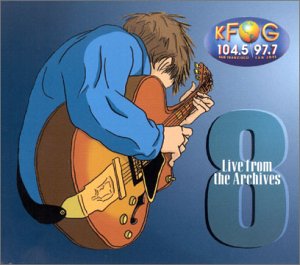
KFOG Live from the Archives 8 (Limited Edition)

KFOG Live from the Archives 8 features prominent performers recorded live at KFOG Private Concerts and live broadcasts including Dave Matthews, Melissa Etheridge, Train and others-16 tracks in all. The recording artists donated their rare live tracks to the project, which is expected to raise some $400,000 for Bay Area Food Banks. This is the 8th CD in a series of rare KFOG discs that premiered in San Francisco in 1994. Over the past seven years, KFOG Live from the Archives has raised more than $1.5 million for Bay Area Food Banks. Last year, KFOG and Bay Area Food Banks were honored with the National Association of Broadcasters prestigious “Service to America Partnership Award” for this project.


What is Hispanic Internet Marketing? Internet marketing geared specifically towards the growing Hispanic community in the United States and in Latin America as well.

Why should you work to reach the Hispanic Market on the internet?

Youd be crazy not to!

The number of U.S. Hispanic Internet users is expected to hit 20.9 million by 2010, with growth driven primarily by Hispanic youth, according to a new report from eMarketer.

By 2010, there will be 3.3 million U.S. Hispanic Internet users - between 3 and 17 years old, 4 million between 18 and 24, and 4.8 million 25 to 34, eMarketer estimated.

In order to remain competitive, companies must gain a real understanding of the Hispanic consumer experience and purchase orientations.

Who should be participating in Hispanic internet marketing?

1. US Hispanic companies targeting US Hispanics

2. US American companies targeting US Hispanics

3. Both US Hispanic and American companies targeting Latin America as well as their own markets

4. Latin American companies targeting their own markets

5. Latin American companies targeting all markets that include both Latin American, US Hispanic and American markets

How does NetKlik help you to reach Hispanic Internet users?
There are two primary strategies for targeting the US Hispanic market through the search engines:

1. Pay-Per-Click (PPC) and

2. Search Engine Optimization (SEO)

We work closely with you to assist you in the best possible way on how to exploit the growing search engine market.

Our starting point is the keyword research. We provide you with a questionnaire, which is used as the basis for the keyword research. At the end of the process we provide you with a list of relevant keywords that you can use for your SEO campaign or PPC.

Our keyword research is based on actual keyword phrases being used throughout the Internet. You see, every time you type a keyword phrase into a search engine, that keyword phrase gets recorded. There are several programs available to webmasters so that we can obtain these keyword phrases. The results of this research is that we come up with a list of relevant keyword phrases that are being used by Internet Users.

Since Internet Users are hunting for your website, its important that you have on your website the words they are using in the hunt!

This process is known as search engine optimization (SEO), and the results provide a client with much greater business opportunities that translate into better return on investment.

Contact us today at http://www.netklik.com for more information about Hispanic Internet Marketing.

Denise Schmeichler is founder of http://www.netklik.com and specializes in search engine optimization and website design.

latin music lyrics

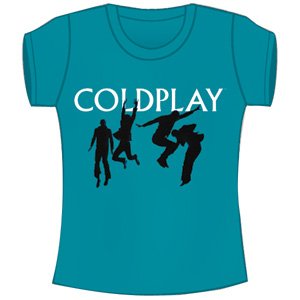
Coldplay - Girls Jr. Soft Tees

Girls Jr./Group Members Jumping Silhouette Under Logo These Girls Tees Have A More Form Fitting Cut Than A Regular Girls Jr. Tee And Are Made From A Much Softer Cotton.


Many movies have been made about Nashville. Enough books about Music City have been written to fill a bookcase. And, of course, scores of songs are dedicated to the city of music. But, while music is the lifeblood of Nashville, visitors will also find here a city of culture and history, of haute cuisine, of pro sports, outstanding academics, natural beauty and pure Southern charm.

Nashville is a place where the past and the future peacefully coexist and build, one on the other, to create a destination that appeals to the interests of every visitor. This city is alive. You can feel its pulse when you walk down its sidewalks. And, fortunately, you can also hear it almost anywhere you go.

How Nashville became Music City:

From its very beginnings, Nashville grew from a foundation built on music. Music has always been the common thread connecting the life and soul of the city and its people. And visitors have always ventured here to experience the music that weaves such a fundamental pattern in its cultural, business and social fabric.

Nashville's earliest settlers celebrated in the late 1700s with fiddle tunes and buck dancing after safely disembarking on the shores of the Cumberland River, a spot now commemorated on First Avenue North with a replica of the original Fort Nashborough. Nashville's first "celebrity," the noted frontiersman and Congressman Davy Crockett was known far and wide for his colorful stories and fiddle playing.

As the 1800s unfolded, Nashville grew to become a national center for music publishing. The first around-the-world tour by a musical act was by the Fisk Jubilee Singers from Nashville's Fisk University. Their efforts helped fund the school's mission of educating freed slaves after the Civil War - and also put Nashville on the map as a global music center.

In 1897, a group of Confederate veterans chose Nashville as the site of a massive reunion. The event was held at the former tabernacle that would later become known as the Ryman Auditorium. So many former Confederate soldiers poured into town that a new balcony was built inside the tabernacle to accommodate their great numbers. It was dubbed "The Confederate Gallery," a designation still visible today as the Ryman continues to host an array of musical events.

Before even the Ryman became known as the downtown home of the Grand Ole Opry, it already enjoyed a national reputation. Enrico Caruso, John Phillip Sousa and the Vienna Orchestra gave roof-raising performances there that earned the Ryman the nickname "Carnegie Hall of the South." The Ryman's unrivaled acoustic qualities continue today - it has received Pollstar magazine's prestigious "Theater of the Year" award for two years in a row as the best auditorium in the nation to experience live music.

In 1925, the establishment of radio station WSM and its launch of the broadcast that would be called the Grand Ole Opry further secured Nashville's reputation as a musical center and sparked its durable nickname of Music City. The Opry, still staged live every week, is America's longest-running radio show, in continuous production for 80 years. It ignited the careers of hundreds of country stars and lit the fuse for Nashville to explode into a geographic center for touring and recording. The modern-day empire of Music Row, a collection of recording studios, record labels, entertainment offices and other music-associated businesses, populates the area around 16th and 17th Avenues South.

In recent years, cable television broadcast Music City's stars and music to the world. The Nashville Network, CMT and GAC took country music to a new level of acclaim and recognition. The gospel music series hosted by Nashville's Bobby Jones on Black Entertainment Television is now cable's longest-running program.

Nashville has also become a hub for pop, rock, bluegrass, jazz, classical, contemporary Christian, blues and soul music. Artists like Matchbox Twenty, India.Arie, Bon Jovi and Jewel, among many others, have come to Music City to write and record, and names like Michael McDonald and Donna Summer have chosen to call Nashville home.

The newly constructed Schermerhorn Symphony Center, home to the renowned, Grammy -winning Nashville Symphony, anchors the downtown end of the recently designated Music Mile, a symbolic stretch of roadway connecting the $120 million Symphony Center with the music district of Music Row, the vibrant new entertainment venues on Demonbruen Street, the Frist Center for the Visual Arts, the Country Music Hall of Fame, the Music City Walk of Fame and Museum and the Nashville Arena. The Music Mile perfectly illustrates how the music of Music City is indeed a common thread throughout the business, cultural and entertainment sectors of Nashville.

Nashville's connection to music is unequaled, and its reputation as Music City has been consistently proven for over 200 years. Welcome to the most musical city in the world. Music City-the only Music City!

Visit: http://www.NowPlayingNashville.com to see all Music City Events!

Check out all things MUSIC on the Nashville CVB website.

Contact Nashville Convention & Visitors Bureau:
150 4th Ave. N
Suite G-250
Nashville, TN 37219
800-657-6910
http://www.VisitMusicCity.com

latin music video

Days of the Year


It is a new calendar year, but the dancing year is not yet halfway underway. The mid-year lag sets in. If you are a performing dancer, the excitement of the Nutcracker is passed, but the anticipation of recital season is not yet upon you. So how does one stay motivated and even excited about dancing with this mid-year lull?

Here are a few tips:

- Start asking questions about the recital and spring performance. Find ways to build your anticipation early in the year. Consider creating a collage with the performance theme to put in your room.

- Try a new bun style- add a scarf or patterned ribbon (if your teacher will let you) to spruce up your style. A yard of ribbon is usually around $1, and you can cut enough sections to share with your friends!

- Set a goal to achieve in 1 month, 2 months, and 3 months. It might be completing choreography to your favorite song, mastering a double or triple pirouette, or improving your splits.

- Start saving up some money for a new leotard, skirt, or pair of leg warmers. Take an empty jar, paste a picture of your choice item on the front, and start adding to the fund every week until you have saved enough to make your purchase.

- Try adding a new class to your routine. It might be taking a Pilates or yoga class at your local gym or studio, trying an 8-week ballroom dance class, or adding tap, modern, or jazz to your normal ballet schedule.

Jenny Pemberton is a dance teacher and owner of Dance to You, Inc. an online dance wear discount retail shop. She has a passion for the arts and enjoys passing along her love of dance to future generations.

latin music video

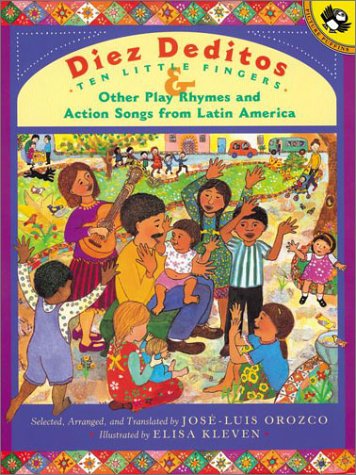
Diez Deditos and Other Play Rhymes and Action Songs from Latin America

Singer-songwriter José-Luis Orozco has assembled a collection of finger rhymes and other action songs from Latin America. Including favorites such as "The Wheels on the Bus" as well as folk songs from a variety of Spanish-speaking countries, Diez Deditos is a treat for the eyes, ears, and fingers. Lyrics are presented in both English and Spanish, and easy-to-follow musical accompaniment and diagrams for the corresponding actions are also provided. As in the companion volume De Colores, bright collage illustrations by Elisa Kleven complete the appeal of this fun-filled book.
Customer Review: Great Songs!
I teach preschool and the kids love these songs! I really like that each song has hand gestures to do along which keeps the kids engaged on the song. I also ordered the CD soundtrack which makes it easier for me to memorize songs and the kids love to sing along with it.
Customer Review: high quality music comes from our roots
I have used this CD for about 7 years as part of my prekinder bilingual curriculum, and it has been very successful with my students. Also, I know it is quality children's folk music because I have studied in detail children's folk music from Mexico, and most of these selections are easily validated as original folk music. You can be sure they are not contrived at all by adults for children. I recommend the book that goest with it, too.


For all the ubiquity of post-punk inspired bands flooding the mainstream over recent years, the amount of truly innovative music they have collectively produced has been disappointing by comparison. It's not difficult to see why; the original class of 78-82 set the bar high and bequeathed one of the most astonishingly imaginative musical legacies ever - a lavish cross-pollination that embraced punk, disco, dub reggae, funk, glam and krautrock to often dizzying extremes. And while some of these acts (Talking Heads, Wire) have become touchstones for a generation of indie kids, other key players (Associates, Magazine) have proved simply too rich to rob - talents so 'out there' as to defy influence.

It's a willingness to experiment, both musically and technologically, that's been missing of late. All the aforementioned artists broke new ground in the studio and, in their own ways, redefined what the pop single could be - mental but magnificent, yet still within detection of the Smash Hits radar. Certainly, the likes of Franz Ferdinand and Maximo Park have produced top-notch material in recent years but, worryingly, little new ground has been broken and the 30-year-old model remains the blueprint.

Thank flip, then, for Foals and their wonderful new album, Antidotes. Ostensibly, given their youth, NME-darling status and oft-mentioned Skins appearance, it would be easy to dismiss this Oxford bunch as yet more spiky-guitar-driven, jerky vocal, Gang of Four wannabes. Not so. Foals have ambition by the truckload and, while their influences are clearly apparent, they've applied them in new and unpredictable ways. And finally, thrillingly, over a decade after Oasis single-handedly kicked the cack out of musical progression, here's a guitar band that's clearly in love with the studio, electronics and the notion of stretching possibility.

The singles Cassius and Balloons are perfectly formed pop confections that, like with all the best albums, only scratch the surface of the whole. African-influenced guitars abound but it's the concise drive and restrained neurosis that strikes, as well as the arresting use of saxophone (think Mirror In The Bathroom rather than Baker Street). The album's true heart lies deeper, however, and the tension is released throughout Antidotes at several key moments, so when everyone stops to admire the beautiful view they've created, - the heart-rending chorus of Red Sock Pugie; the gentle ascent of Big, Big Love (vaguely reminiscent of Unforgettable Fire-era U2) - it's exhilarating.

At last, the noughties have their own Fear of Music, Chairs Missing or Fourth Drawer Down - a record driven by an impulse to create something new, where musical dexterity is of secondary importance to the idea, but still retaining one foot on the dance floor. Yes, that good.

http://www.whatswinning.com

latin music com